
What happened — the “take-backs” in question
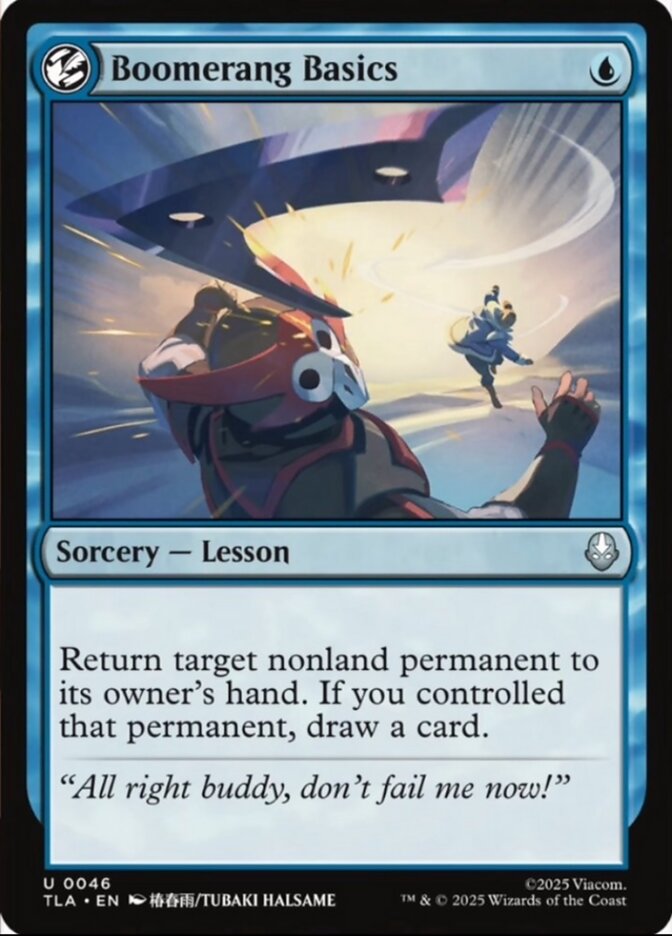
- In the quarterfinals against Ken Yukuhiro (playing Sultai Reanimator), Manfield was granted two take-backs: one involving a counterspell (It’ll Quench Ya!) and another involving a bounce spell (Boomerang Basics) after he had already paid costs and begun resolution.
- For the Boomerang Basics play: Manfield cast the spell targeting his own Monument to Endurance, paid the mana, and the spell even sat on the stack (i.e. was “on the table”) for ~27 seconds. He then asked the judge if he could take it back — and was allowed. That play, had it resolved, could have cost him the game.
- Because those take-backs happened and Manfield ended up winning that set — and eventually the whole tournament — many feel that those “rewinds” materially altered the course of the World Championship.
DECKLIST FOR REFERENCE: https://tipsymagic.com/view_deck/291-izzet-lessons-seth-manfield
Community Reaction — Anger, Disbelief, and Accusations
The outcry online has been intense. On Reddit and other forums, many fans and players are calling the rulings “a joke,” “scummy,” and “completely unacceptable at Worlds.” Some representative takes:

“Yes, you can take back your plays even at the Pro Tour if they fit the definition of MTR ‘Reversing decisions’ … but this is such a reddit moment to see people losing their minds over it.” Reddit+1
“Ken was robbed… Pro Magic is joke.” Reddit
“Imagine hanging your queen in the World Championship chess tournament … then saying ‘oh nvm I take it back’.” Reddit
Others argue that while it’s technically within the rules, allowing such take-backs at the highest level of competitive play undermines the integrity of the event — and that the optics alone are damaging for the game.
What the Rules Say & Why It’s Still Controversial

- Under the tournament rulebook (specifically the “Reversing Decisions” clause — often referenced as MTR 4.8), a player may take back a play if no new information has been revealed to either side since the play.
- In Manfield’s case, the judges judged that no new information was revealed: the opponent (Yukuhiro) did not act in a way that indicated they had knowledge or a response. Hence, under the book, the take-back was legal.
- But critics argue this rigid “letter of the law” interpretation misses the spirit of competitive fairness — especially at a marquee event like Worlds. When a spell sits on the stack, mana is tapped, and an opponent verbally acknowledges it, that’s practically giving away that they won’t respond. To many, that is new information, and undoing it after waiting 20–30 seconds is exploiting the rules.
The Stakes — Why This Feels Bigger Than Just a Mistake
- The fact the match featured such a take-back — and that the player granted it went on to win the championship — makes the call impossible to ignore. For many: this isn’t just a “weird judge call”; it feels like a direct influence on who gets the title and the $100,000 top prize.
- Some argue that this sets a dangerous precedent: if take-backs are allowed at the highest level, it invites players to treat every misplay as reversible, which undercuts pressure for careful play and undermines match integrity.
- Others push back: competitive Magic is extremely complex, and honest mistakes — especially in high-stress, high-stakes environments — happen. The rules exist precisely to allow “real mistakes” to be corrected, and the judge handled it according to regulations.
What This Means for Competitive Magic & the Community
- Many players and fans are now calling for clearer, stricter guidelines on take-backs — or even bans of “major” take-backs at professional-level events — to preserve the integrity of top-tier play. A growing sentiment: what’s allowed by the book isn’t always what should be allowed, especially when tens of thousands of dollars and prestige are on the line.
- There’s a tug-of-war between “strict rule enforcement” vs. “maintaining a human-error safety net.” And this controversy may push organizers to re-examine how they handle mistakes at Worlds — or at least refine when “Reversing Decisions” should be allowed vs. when game state should be locked.
- For now, the result stands: Manfield is champion, but the title comes with a stain for many. Whether the “take-backs” will forever be seen as a clever use of rules or as a blight on the event depends on how the community — and the judges — respond moving forward.